Commercial fault planning
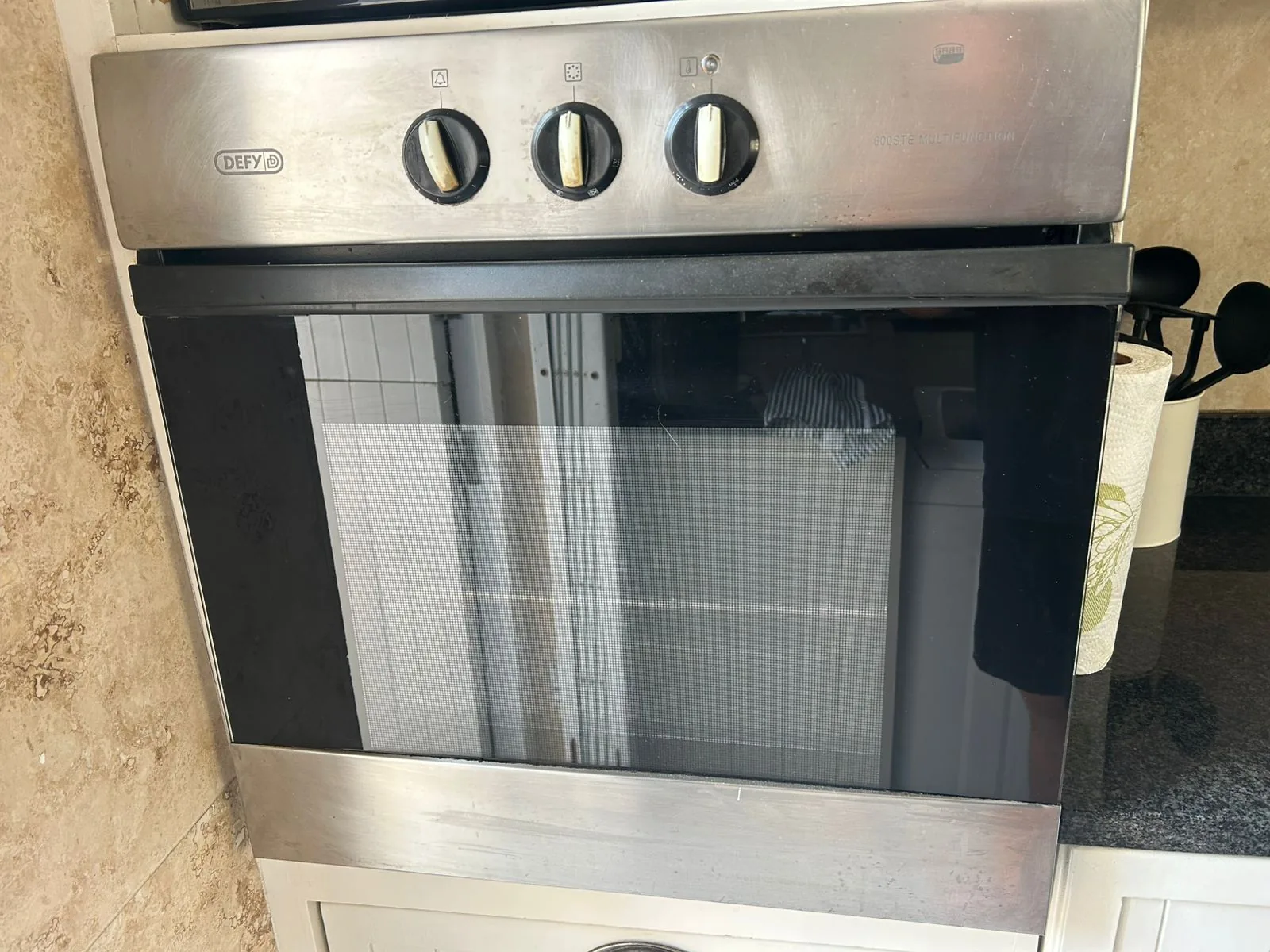
Oven Fan Not Working? Arrange Appliance Fault Diagnosis in Kloof
Oven Fan Not Working? Arrange Appliance Fault Diagnosis in Kloof can have more than one cause. Use the safe checks below to rule out simple operating or supply issues, then book diagnosis if the symptom continues, involves heat, water, gas, refrigerant, damaged wiring or repeated tripping.
Request appliance service
Book a repair assessment in Kloof
Send the appliance type, fault and address. Required fields are marked. A submitted request is not a confirmed appointment until our team responds.
In-depth fault guidance
Understanding oven fan not working
Oven Fan Not Working describes what the customer observes; it does not identify one failed component. Start by recording what the oven does before, during and after the condition, whether it changes with load or programme, and what remains normal. This preserves evidence and gives our technician a useful test path.
At Appliance Repairs Kloof, we treat “oven fan not working” as your observation—not an automatic parts diagnosis. We use the operating sequence and model evidence to narrow the real cause.
In Kloof and surrounding Upper Highway properties, installation, humidity, storm activity, ventilation, plumbing and power interruptions can affect symptoms. Those local conditions are relevant history, but diagnosis must still be based on the individual model and measured behaviour.
Symptoms and patterns to record
- Oven does not heat
- Temperature rises slowly or unevenly
- Fan runs but heat is absent
- Unit trips during preheating
- Door does not close or seal evenly
Possible causes
Fan obstructed by debris or ice
This cause becomes more likely when the reported sequence matches oven does not heat. Testing should compare supply, isolator and terminal condition with bake, grill and fan elements before the cause is confirmed. A matching symptom alone is insufficient evidence for ordering a part.
Worn motor or bearings
This cause becomes more likely when the reported sequence matches temperature rises slowly or unevenly. Testing should compare bake, grill and fan elements with fan movement and airflow before the cause is confirmed. A matching symptom alone is insufficient evidence for ordering a part.
Failed capacitor where fitted
This cause becomes more likely when the reported sequence matches fan runs but heat is absent. Testing should compare fan movement and airflow with thermostat, sensors and control outputs before the cause is confirmed. A matching symptom alone is insufficient evidence for ordering a part.
Wiring or control-output fault
This cause becomes more likely when the reported sequence matches unit trips during preheating. Testing should compare thermostat, sensors and control outputs with door hinges, seal and heat loss before the cause is confirmed. A matching symptom alone is insufficient evidence for ordering a part.
Temperature condition not calling for fan operation
This cause becomes more likely when the reported sequence matches door does not close or seal evenly. Testing should compare door hinges, seal and heat loss with supply, isolator and terminal condition before the cause is confirmed. A matching symptom alone is insufficient evidence for ordering a part.
Safe checks before booking
- Record which mode should run the fan
- Listen for hum or contact noise
- Isolate before touching accessible blades
Use only checks permitted by the manufacturer’s user instructions. Stop before removing protective panels, opening refrigerant or gas systems, accessing high-voltage sections, bypassing interlocks or altering fixed wiring.
What our technician may test
- Supply, isolator and terminal condition
- Bake, grill and fan elements
- Fan movement and airflow
- Thermostat, sensors and control outputs
- Door hinges, seal and heat loss
Diagnostic sequence
- Confirm the customer’s description and reproduce the fault where safe
- Check the external supply, settings, installation and user-accessible restrictions
- Inspect the system associated with the exact operating stage
- Measure relevant electrical, temperature, airflow, water or mechanical behaviour
- Separate the primary failure from secondary damage
- Explain the repair scope, compatible parts and replacement considerations
- Function-test approved work and record any remaining recommendation
When the fault becomes urgent
Isolate an oven that trips, sparks, smells burnt or has exposed wiring. Do not operate it with a damaged door. The condition is urgent when it threatens electrical safety, gas safety, food or stock temperature, causes active water damage, or is worsening quickly. Urgency should be stated in the request, but attendance time is confirmed only after the location, equipment and route capacity are reviewed.
Cost and quotation factors
The symptom alone cannot support a fixed repair price. Cost depends on whether the cause is an external condition, adjustment, accessible service part, model-specific component or major system; whether continued use caused secondary damage; and whether the unit is built in, stacked, hard-wired, plumbed, gas-connected or commercial.
| Quotation factor | Why it matters |
|---|---|
| Diagnosis time | Intermittent faults may need the correct load, cycle or temperature before they appear. |
| Model and parts | Compatibility and availability differ even within one brand. |
| Access | Cabinetry, stacking, fixed connections and commercial installations change labour. |
| Secondary damage | Water, heat, ice, electrical stress or continued use can affect more than the original cause. |
| Functional testing | The repaired system must complete an appropriate safety and operating check. |
Repair or replacement decision
Repair is generally stronger when the cause is isolated, the appliance is otherwise sound, the part is available and the expected result justifies the quotation. Replacement deserves consideration when safety damage is extensive, multiple major systems are failing, structural condition is poor, essential parts are obsolete or the total work approaches the value of a suitable replacement.
Preventing recurrence
- Follow the model-specific cleaning and loading instructions
- Investigate changes in noise, temperature, drainage, heat or cycle time early
- Keep ventilation, filters, seals, hoses and drains accessible and maintained
- Use suitable surge and circuit protection for the installation
- Retain model details, error history and repair records
What to include in the booking
- Full appliance type, brand, model and product code
- Exact symptom and error code
- Stage when the fault occurs and what remains normal
- Recent power, plumbing, moving, cleaning or repair event
- Photographs of the label, display and visible condition
- Complete kloof-area address and access instructions
How we turn oven fan not working into a repair decision
- We ask what happened before, during and after the symptom.
- Our booking team records the model, error, address and immediate risk.
- Our technician separates supply and installation conditions from internal failure.
- We explain the confirmed cause, secondary damage and repair options.
- We test approved work against the original symptom.
When you contact Appliance Repairs Kloof, include the full model, exact fault and service address. We will review the request and confirm the appropriate next step.
Related guidance
Frequently asked questions
What commonly causes oven fan not working?
Possible causes include fan obstructed by debris or ice, worn motor or bearings, failed capacitor where fitted, wiring or control-output fault, or temperature condition not calling for fan operation. Testing is needed because these conditions can create similar symptoms.
Can I reset the appliance?
One reset described in the user manual may be reasonable if there is no unsafe symptom. Repeated resets can erase error history and keep a damaging fault in operation.
What can I check safely?
You can record which mode should run the fan, listen for hum or contact noise, and isolate before touching accessible blades. Do not remove covers, bridge interlocks or touch internal wiring.
When should I switch it off?
Isolate an oven that trips, sparks, smells burnt or has exposed wiring. Do not operate it with a damaged door. Isolate it immediately for sparks, smoke, shock, burning odour, repeated tripping or water near electrical parts.
Can a price be given from the symptom?
The call-out arrangement can be explained first, but repair pricing depends on the confirmed cause, model, access, parts and secondary damage.
What model information is needed?
Send a clear photograph of the rating label showing the complete model and product code, plus the error display and visible condition.
Is the fault worth repairing?
That depends on the confirmed failure, appliance condition, compatible parts, safety, expected repair life and replacement value.
Which Kloof areas are covered?
Requests are reviewed for Kloof, Gillitts, Hillcrest, Waterfall, Pinetown, Westville, Queensburgh and connected Upper Highway routes. Our team confirms the full address and schedule.
Need a clear next step?
Send one complete appliance repair request
Include the appliance, model, exact fault and service address so our team can respond appropriately.