Appliance fault diagnosis
Commercial Refrigeration Repairs in Kloof – On-Site Fault Finding and Repair
Commercial Refrigeration Repairs in Kloof require diagnosis based on the symptom, model and installation—not a guessed part. Send the operating sequence, error code if shown, and Kloof-area address for an assessment of the relevant electrical, mechanical, airflow or water systems.
Request appliance service
Book a repair assessment in Kloof
Send the appliance type, fault and address. Required fields are marked. A submitted request is not a confirmed appointment until our team responds.
In-depth service guidance
Commercial refrigeration repairs for Kloof homes and businesses
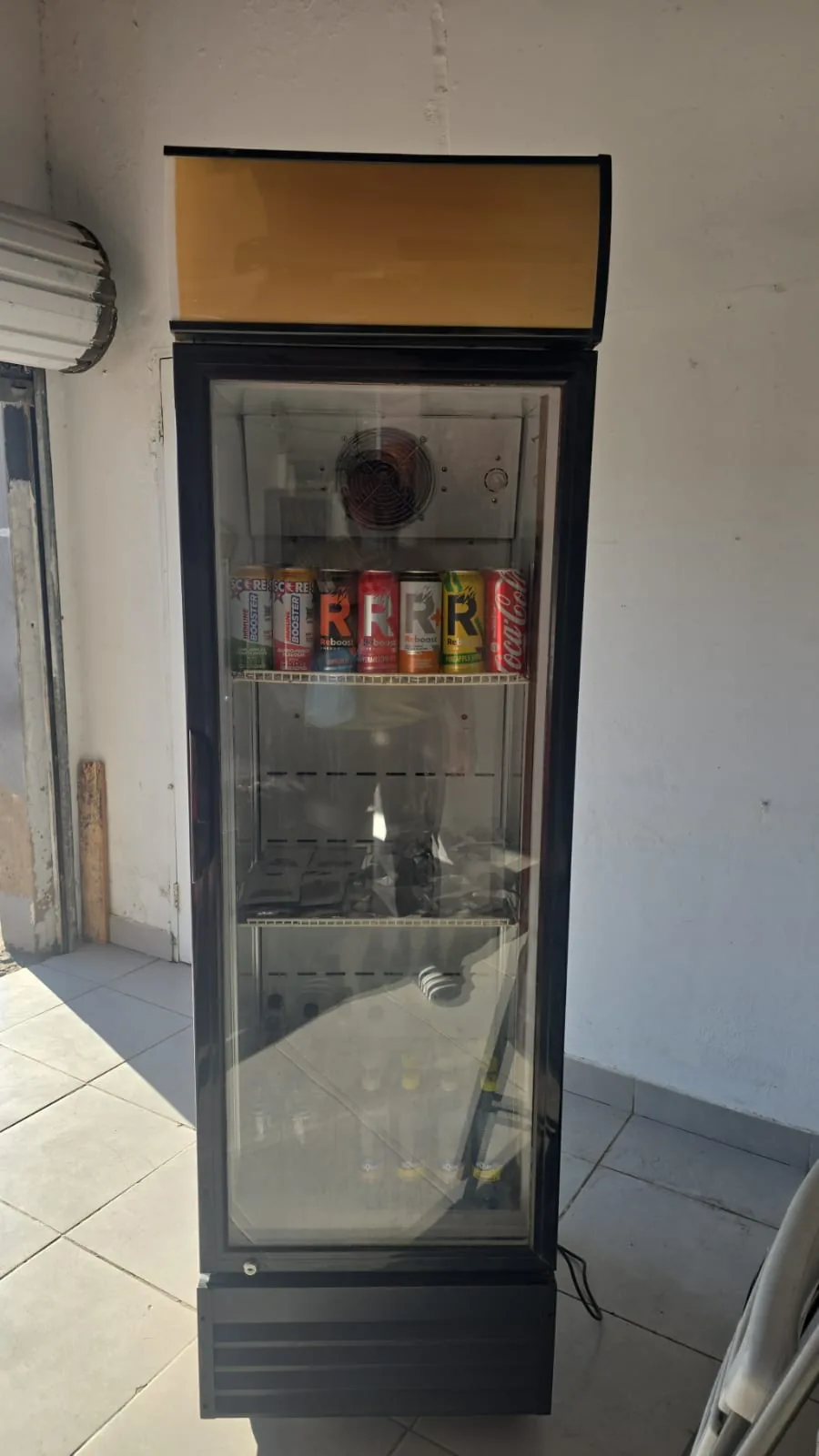
Requests for business cooling equipment where stock temperature, duty cycle and downtime matter should begin with the exact symptom and model, not a guessed component. The service scope includes display cabinets, bottle coolers, upright chillers, under-counter units and retail refrigeration. Household, rental, hospitality, retail and eligible commercial enquiries are assessed according to equipment design, safe access and parts information.
At Appliance Repairs Kloof, we assess commercial refrigeration repairs by confirming the model, installation and operating sequence before we recommend a component.
Kloof and the Upper Highway area combine warm, humid conditions, storm exposure, varied ventilation and installations ranging from freestanding appliances to fitted kitchens and commercial sites. These conditions may influence drainage, corrosion, airflow and electrical stress, but they do not prove the cause of a breakdown. Model-specific testing remains essential.
Equipment covered by this service
- Display cabinets
- Bottle coolers
- Upright chillers
- Under-counter units and retail refrigeration
Common faults and what they can mean
Cabinet temperature drift
For cabinet temperature drift, first record whether product temperature drifts. Diagnosis normally compares product, air and set-point temperatures with loading, door use and ventilation, then establishes whether the appliance is protecting its load or contents. This evidence is more reliable than choosing a part from the visible symptom alone.
Poor recovery after stocking or door opening
For poor recovery after stocking or door opening, first record whether cabinet does not recover after loading. Diagnosis normally compares loading, door use and ventilation with evaporator, defrost and drainage, then establishes whether continued operation could cause secondary damage. This evidence is more reliable than choosing a part from the visible symptom alone.
Defrost ice and restricted airflow
For defrost ice and restricted airflow, first record whether evaporator ice restricts airflow. Diagnosis normally compares evaporator, defrost and drainage with probes, controller and alarm history, then establishes whether the fault is constant, load-related or intermittent. This evidence is more reliable than choosing a part from the visible symptom alone.
Controller, sensor or alarm faults
For controller, sensor or alarm faults, first record whether alarm repeats. Diagnosis normally compares probes, controller and alarm history with electrical and refrigeration performance, then establishes whether a safety device is responding to another failure. This evidence is more reliable than choosing a part from the visible symptom alone.
Compressor, fan or electrical failure
For compressor, fan or electrical failure, first record whether doors sweat or fail to seal. Diagnosis normally compares electrical and refrigeration performance with product, air and set-point temperatures, then establishes whether adjustment, repair or a model-specific part is justified. This evidence is more reliable than choosing a part from the visible symptom alone.
Systems included in a proper assessment
- product, air and set-point temperatures
- loading, door use and ventilation
- evaporator, defrost and drainage
- probes, controller and alarm history
- electrical and refrigeration performance
Our technician should first reproduce or verify the complaint, separate external supply and installation conditions from internal failure, test the affected system and identify secondary damage. A part should be recommended only when the evidence supports it.
Service cost guidance
Pricing varies because two appliances with the same visible symptom can require very different work. Our booking team should confirm the applicable call-out arrangement, and the repair quotation should follow diagnosis. The table explains the main cost categories without presenting an untested symptom as a fixed-price repair.
| Work category | What affects the quotation |
|---|---|
| Initial diagnosis | Travel zone, access, appliance type and time needed to reproduce the fault. |
| Minor corrective work | Cleaning an internal restriction, adjustment, connection repair or a readily accessible service part. |
| Component repair | Part identity, model compatibility, dismantling time and functional testing. |
| Major-system work | Secondary damage, specialist tools, refrigerant or gas requirements and replacement value. |
| Commercial or urgent work | Capacity, stock risk, operating hours, safe access and scheduling availability. |
What changes the final repair cost?
- Full model and product-code availability
- Whether the unit is freestanding, built in, stacked, hard-wired, plumbed, gas-connected or commercial
- Time required to reproduce an intermittent fault
- Compatible-part price and local availability
- Secondary damage caused by heat, water, corrosion or continued operation
- Access, parking, estate procedures and the distance on the confirmed route
- Urgency and whether attendance is requested outside normal scheduling
Our diagnostic and repair process
- Booking review: appliance, model, fault, address and safety risk are checked.
- Attendance confirmation: the proposed date becomes an appointment only after our team responds.
- Fault verification: the reported behaviour is reproduced where safe.
- System testing: relevant supply, installation, mechanical, electrical, water, airflow or control paths are checked.
- Clear recommendation: findings, parts implications and repair-versus-replacement factors are explained.
- Approval: additional work proceeds only after the customer accepts the scope.
- Functional test: completed work is checked under an appropriate operating condition.
Urgent situations and immediate safety
Follow the business food-safety plan, segregate at-risk stock and log temperatures. Do not silence alarms without recording the condition. Also isolate equipment that sparks, smokes, shocks the user, smells burnt, repeatedly trips electrical protection or leaks onto live components. Businesses should protect stock and follow their food-safety or continuity plan rather than relying on a repair arrival time that has not been confirmed.
Repair or replace?
Repair is more attractive when the failure is isolated, the cabinet or structure is sound, compatible parts are available and the expected repair life justifies the cost. Replacement becomes more sensible when several major systems are failing, safety or corrosion is extensive, essential parts are obsolete, the installation is unsuitable, or the quotation approaches the value of an appropriate replacement. Age is relevant, but condition and failure evidence matter more than age alone.
Maintenance that reduces avoidable faults
- Log temperatures and alarm events
- Keep load lines and air returns unobstructed
- Clean accessible condenser surfaces safely
- Check doors and gaskets daily
- Plan maintenance outside peak trading periods
Maintenance cannot prevent every component failure, but it helps preserve normal airflow, drainage, sealing, loading and electrical conditions. Stop maintenance at the boundary of the user manual; internal electrical, gas, refrigerant and high-voltage work requires suitable technical competence.
Brands and model information
Models considered may include Defy, Samsung, LG, Bosch, Hisense, Whirlpool, Kelvinator, KIC, Smeg, Siemens, Miele, AEG, Electrolux, Beko, Candy, Ariston, Hoover and other models, subject to appliance type, technical information and compatible-part availability. This is independent multi-brand service, not a claim of manufacturer authorisation. Send a clear photograph of the rating label because model variants within one brand may use different components, error logic and access procedures.
Areas served around Kloof
Booking requests are accepted for Kloof, Gillitts, Everton, Winston Park, Forest Hills, Hillcrest, Waterfall, Pinetown, New Germany, Cowies Hill, Westville, Reservoir Hills, Queensburgh, Malvern and linked Upper Highway routes. Route coverage is confirmed from the full address; an area name alone does not confirm an appointment.
Prepare the booking
- Appliance type, brand, full model and product code
- Exact symptom and error code
- Operating stage when the fault appears
- What still works normally
- Recent power interruption, plumbing work, move or earlier repair
- Photographs of the label, display and visible issue
- Complete address, estate or complex access and on-site contact
How we handle commercial refrigeration repairs
- We review the appliance, model, fault, address and safety information.
- Our booking team confirms coverage and the proposed attendance window.
- Our technician verifies the symptom and tests the systems relevant to the model.
- We explain the findings, compatible parts, quotation and replacement considerations.
- We complete approved work where practical and test the repaired function.
When you contact Appliance Repairs Kloof, include the full model, exact fault and service address. We will review the request and confirm the appropriate next step.
Related fault guides
Frequently asked questions
Do you assess commercial refrigeration repairs in Kloof?
Yes, requests are reviewed for Kloof and surrounding Upper Highway routes. Confirmation depends on the exact address, equipment, access and technician availability.
What details should I send?
Send the full model code, exact symptom, error display, what still works, when the fault appears, the service address and safe access instructions.
Can the price be confirmed before inspection?
A final repair price normally requires diagnosis. Our team can explain the call-out arrangement first, then provide the repair scope and quotation before additional work is approved.
Can the repair be completed on the first visit?
Straightforward work may be completed when the fault is confirmed and a compatible part is available. Model-specific or major-system work can require sourcing or a separate repair stage.
Should I keep using the appliance?
Stop if it sparks, smokes, smells burnt, shocks, repeatedly trips, leaks onto electrical parts or creates a gas or food-safety risk. Otherwise limit use and follow the model manual until assessed.
Do you replace parts based on an error code?
No. An error narrows the test path but does not always identify the failed part. Supply, wiring, sensors, installation and the affected system should be checked.
Which brands are considered?
Independent multi-brand assessment is available for common South African appliances. Coverage and compatible parts are confirmed from the full model information.
Is repair always worthwhile?
No. The decision should compare the confirmed fault, secondary damage, safety, part availability, overall condition, efficiency and the realistic replacement cost.
Need a clear next step?
Send one complete appliance repair request
Include the appliance, model, exact fault and service address so our team can respond appropriately.